
Microbiological Analysis

Microbiological Analysis evaluates the presence of microorganisms or microbial indicators in water and other applicable samples. It is used to assess sanitary quality, identify possible contamination, and support public health and water quality monitoring.

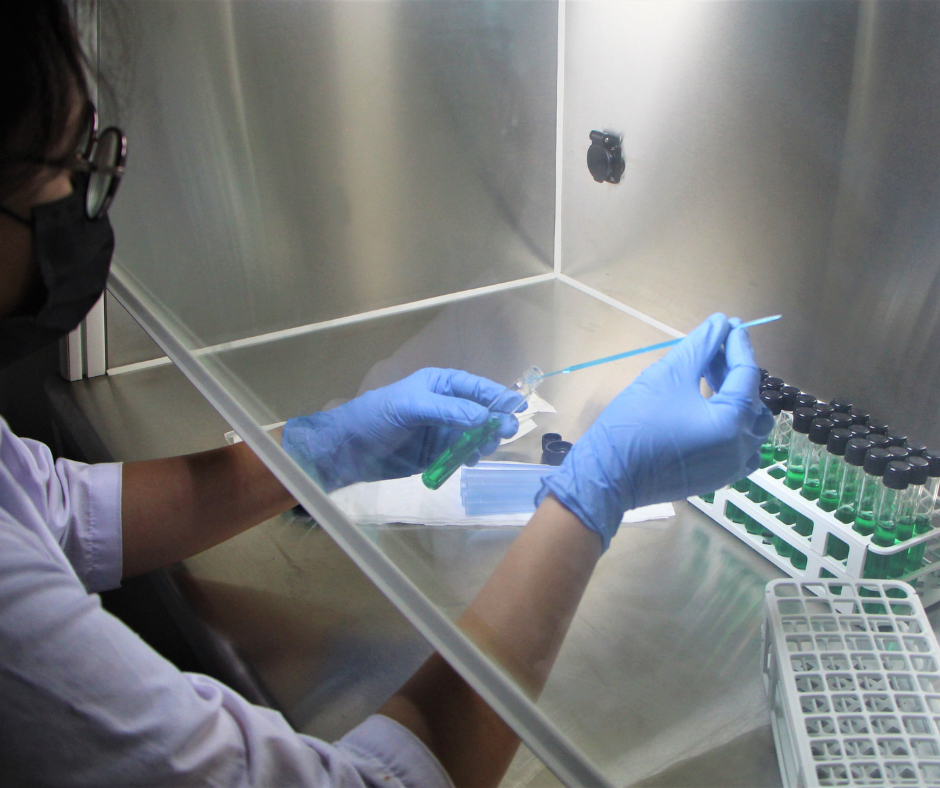
Microbiological analysis involves detecting, identifying, and quantifying microorganisms such as bacteria, fungi, and viruses in various sample types. This process is essential for assessing contamination, ensuring product safety, and meeting regulatory standards in industries like water treatment, food production, pharmaceuticals, and healthcare.

The analysis may include culture-based methods, biochemical tests, and rapid detection techniques to evaluate microbial load, hygiene levels, and the presence of specific pathogens. It supports both routine monitoring and investigative testing.


Course Objectives

About the Speaker

Service Details

Microbiological analysis involves detecting, identifying, and quantifying microorganisms such as bacteria, fungi, and viruses in various sample types. This process is essential for assessing contamination, ensuring product safety, and meeting regulatory standards in industries like water treatment, food production, pharmaceuticals, and healthcare. The analysis may include culture-based methods, biochemical tests, and rapid detection techniques to evaluate microbial load, hygiene levels, and the presence of specific pathogens. It supports both routine monitoring and investigative testing.
Common Applications

  • Drinking Water Testing
    Microbiological analysis helps determine whether drinking water contains microbial indicators that may suggest contamination. This supports water safety and routine quality verification.

  • Wastewater Monitoring
    The method is used to assess microbial indicators in wastewater samples. It helps evaluate contamination levels and supports water quality monitoring programs.

  • Total Coliform and Fecal Coliform Testing
    Coliform testing is commonly used as an indicator of sanitary quality. The presence of coliform organisms may suggest possible contamination and the need for further assessment.

  • E. coli Testing
    E. coli analysis is important in water quality testing because it can indicate fecal contamination. This is commonly used for drinking water, environmental water, and public health-related monitoring.

  • Heterotrophic Plate Count / Microbial Load Assessment
    Microbial count testing can help estimate the general microbial population in water samples. This supports routine monitoring and quality control.

  • And much more

Get in Touch with Us

Have questions or need assistance? We’re here to help you every step of the way.