Atomic Force Microscopy (AFM Analysis)

Atomic Force Microscopy (AFM Analysis)

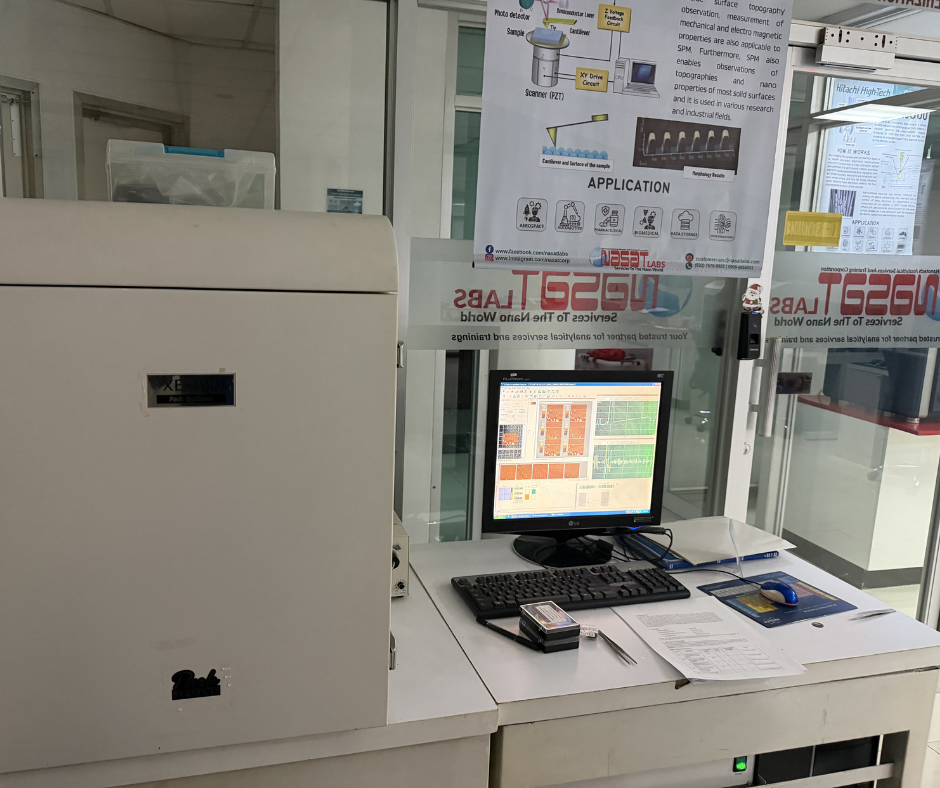
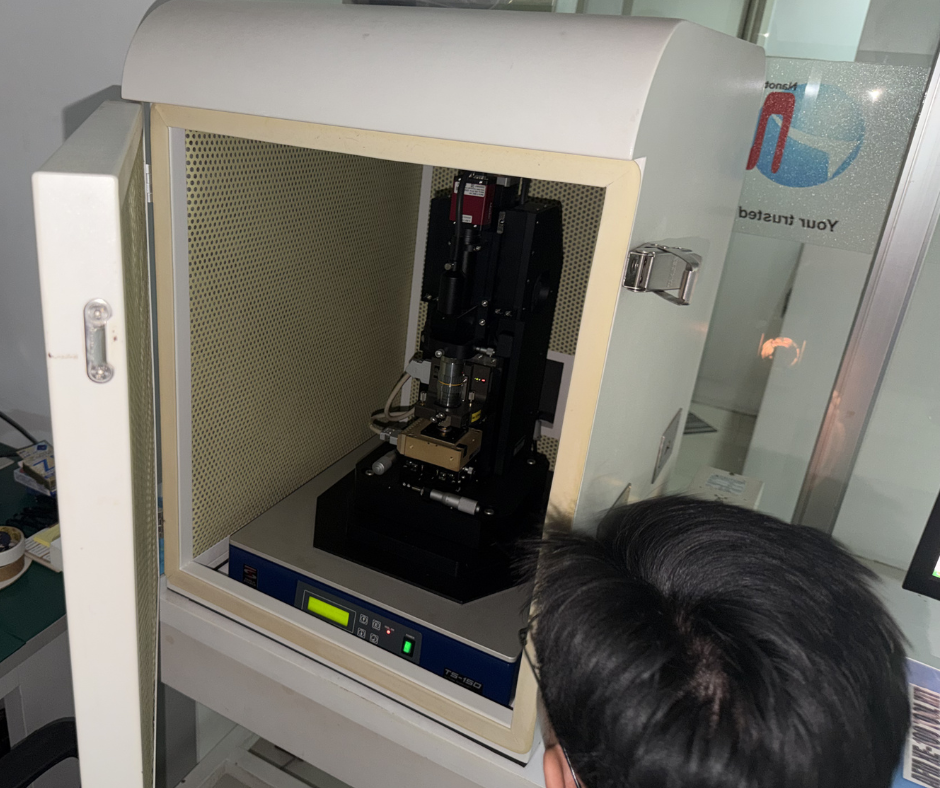
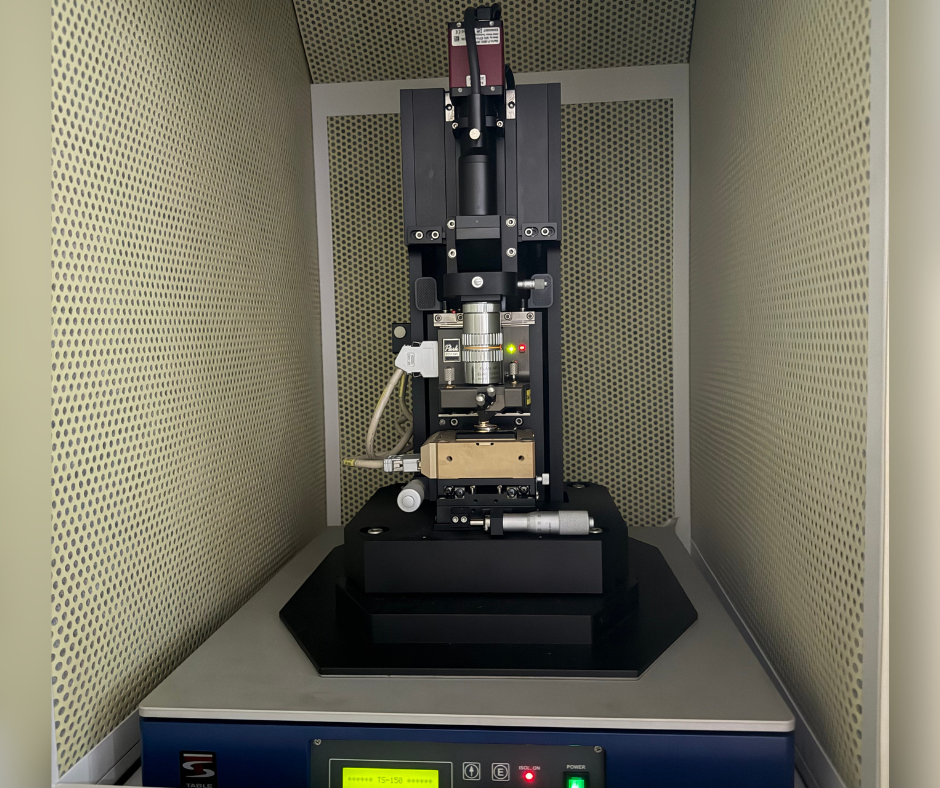
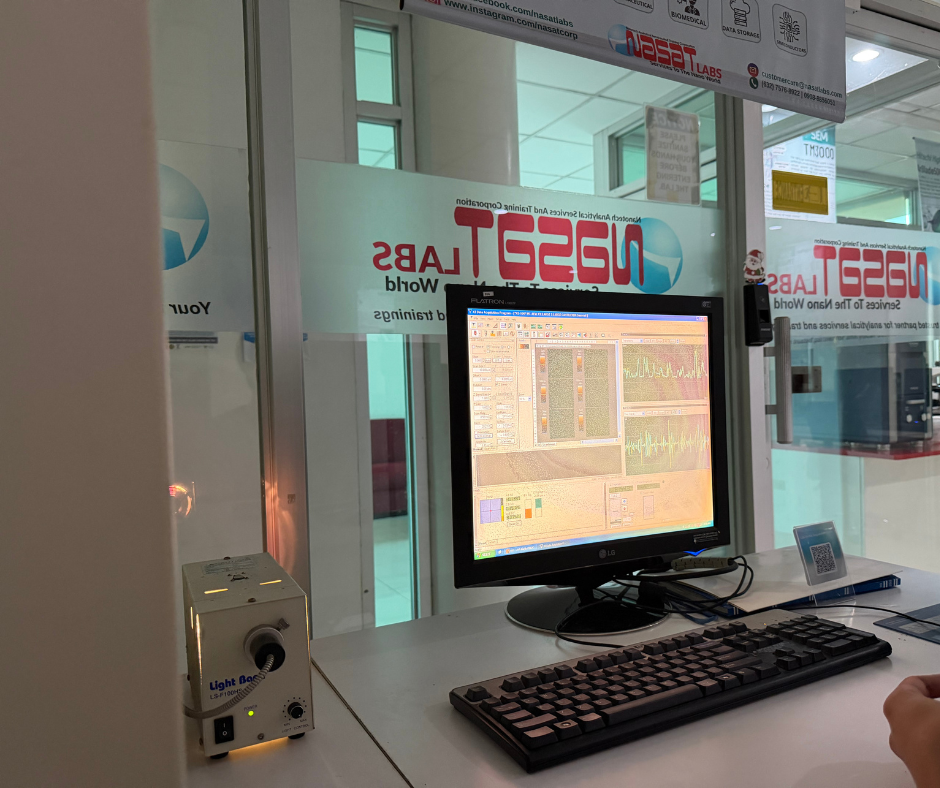
AFM scans a sharp probe over the sample to generate high-resolution 3D surface maps. It provides nanoscale topography, roughness, and mechanical property data (e.g., modulus, adhesion) for polymers, thin films, semiconductors, biomaterials. and more.

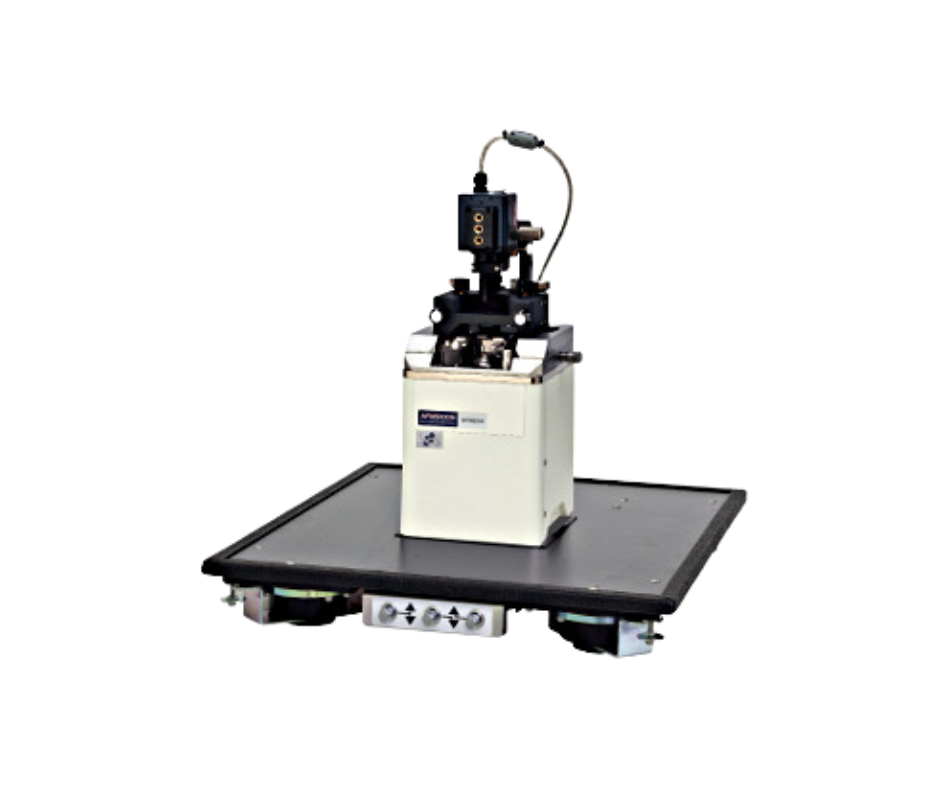
Atomic Force Microscopy is a high-resolution imaging technique used to analyze surface topography and mechanical properties at the nanoscale. It operates by scanning a sharp probe across a sample surface to detect atomic-level interactions, generating detailed 3D maps of surface features.

AFM is suitable for a wide range of materials, including polymers, ceramics, composites, glass, semiconductors, thin films, coatings, biomaterials, and nanostructures. It supports multiple imaging modes—such as contact, tapping, and non-contact—allowing flexibility in sample characterization without the need for conductive coatings.


Course Objectives

About the Speaker

Service Details

Atomic Force Microscopy is a high-resolution imaging technique used to analyze surface topography and mechanical properties at the nanoscale. It operates by scanning a sharp probe across a sample surface to detect atomic-level interactions, generating detailed 3D maps of surface features. AFM is suitable for a wide range of materials, including polymers, ceramics, composites, glass, semiconductors, thin films, coatings, biomaterials, and nanostructures. It supports multiple imaging modes—such as contact, tapping, and non-contact—allowing flexibility in sample characterization without the need for conductive coatings.
Common Applications

  • Materials Science
    Surface roughness, morphology, and nanoscale surface feature analysis of metals, ceramics, polymers, composites, and advanced materials.

  • Semiconductors & Microelectronics
    Inspection of wafers, thin films, etching patterns, surface defects, and other nanoscale features used in semiconductor and electronic materials.

  • Nanotechnology
    Characterization of nanoparticles, nanotubes, nanofibers, quantum dots, and other nanostructured materials.

  • Polymers, Coatings & Thin Films
    Evaluation of film uniformity, coating smoothness, surface texture, defects, and nanoscale roughness.

  • Biological & Biomedical Research
    Surface imaging and characterization of biomaterials, cells, proteins, DNA, and medical device surfaces.

  • Energy & Battery Materials
    Analysis of electrode surfaces, membranes, catalysts, and surface changes related to material performance or degradation.

  • Tribology & Surface Mechanics
    Measurement of surface-related properties such as friction, adhesion, stiffness, elasticity, and wear behavior, depending on sample suitability and analysis method.

Get in Touch with Us

Have questions or need assistance? We’re here to help you every step of the way.